
The anxiety that follows me: why it's there and how I cope
Translated from Croatian.
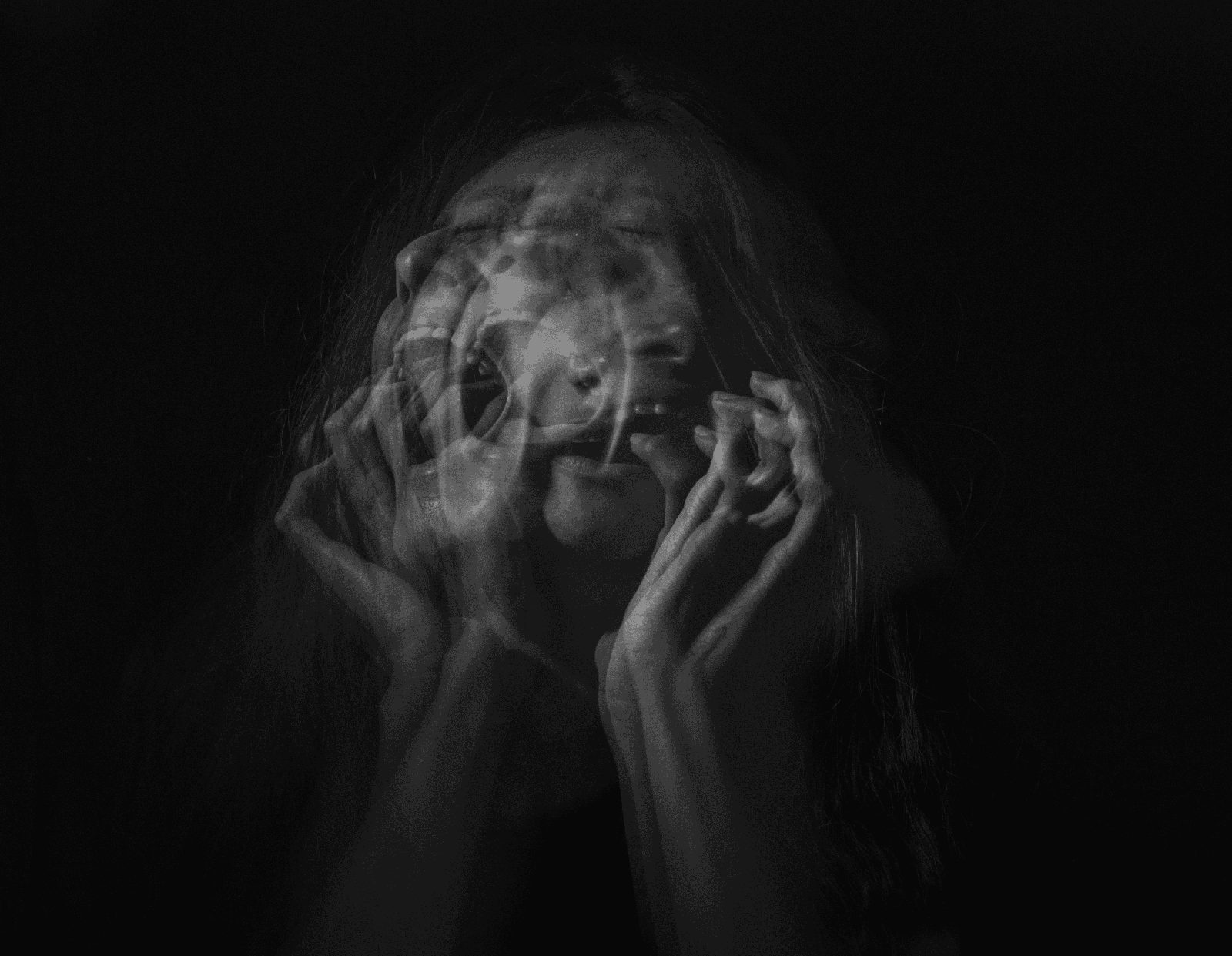
Anxiety is like an uninvited guest who won't leave. It turns up suddenly, often without warning, and takes everything I have just to ignore it. Some days it's quiet, like darkness retreating into a corner of the mind; on others it's loud and strong, like thunder that won't let me rest.
Sometimes I don't even know where it comes from. Is it stress, past experiences, overload? I don't know. What exactly is anxiety – fear of something that hasn't come yet, or a feeling of unrest and insecurity that's here and now? Even though I try to understand the cause, anxiety often remains unanswered.
And that's the hardest part – not knowing its source. It turns every day into a struggle to cope with it.
Why is it there?
Anxiety is our body's natural response to stressful situations. As a rule, it has a purpose – it warns us of potential danger and helps us be careful. But in modern life, under constant pressure, anxiety often goes too far. It can become not only a reaction to danger but a constant companion.
Worse still, it isn't always easy to recognise what's causing it. Sometimes I feel anxious even when I'm not doing anything in particular – sitting with friends, drinking coffee, or just before I fall asleep. Then I realise I don't know what it has turned into – is it anxiety about something from the past, fear of the future, or simply general exhaustion with life?
How do I cope?
Anxiety often comes with a need for distraction. Even though I'd like to just ignore it, I don't always have the strength. So I turn to food – it calms me, at least for a while. Chocolate, coffee, a quick fix that gives me a sense of control, even if only briefly. In a way, it feels like the only way to stop the whirl of thoughts.
Although it brings momentary relief, afterwards I feel an even heavier weight. The anxiety stays, and I also feel guilty for not finding a healthier way to deal with it.
The path towards acceptance
What I've learned over time is that anxiety doesn't always need to be “fixed” immediately. Sometimes it's enough just to acknowledge its presence, to admit that it's there and that it isn't the enemy. Anxiety isn't something to reject or suppress – in a way, it's a signal. A sign that something in my life needs attention, whether that's too much stress, overload or insecurity.
I've learned that when I accept it, when I tell myself “Yes, I feel anxious and that's okay”, it loses some of its power. Maybe it can't be switched off completely, but I can calm it with a gentler approach. Maybe the answer to anxiety isn't running away from it, but reducing its hold over me.
Anxiety isn't a sign of weakness, but a warning that something in your life needs your attention.